From the spinning of fine yarns to the high-speed rhythms of air jet looms, modern textile manufacturing is a symphony of precision and power. At the heart of this operation lies a silent, tireless workhorse: the industrial screw air compressor. Compressed air is not merely a utility in a textile mill; it is an integral part of the production process itself, directly influencing fabric quality, machine efficiency, and overall plant profitability. This article explores the critical roles compressed air plays across the textile production chain and provides essential guidance for selecting the right screw compressor system to ensure consistent, high-quality output.
I. Compressed Air Across the Textile Production Chain
Different stages of textile production rely on compressed air for distinct, critical functions.
1. Spinning: Pneumatic Systems for Precision and Speed
Modern spinning processes, particularly rotor spinning (open-end) and air-jet spinning, are heavily dependent on compressed air.
- Rotor Spinning: Compressed air is used to initiate the yarn formation by blowing the fiber bundle into the rotating rotor. It also assists in cleaning the rotor and maintaining consistent yarn tension.
- Air-Jet Spinning (e.g., Murata Vortex): This high-speed process uses precisely controlled jets of compressed air to twist the fibers into a yarn. The air pressure, purity, and consistency directly determine yarn strength, evenness, and appearance.
- Pneumatic Piecing: During yarn breakage, automated piecing devices use compressed air to re-join the fibers, minimizing downtime and waste.
2. Weaving: The Power Behind Air Jet Looms
Air jet looms are the fastest weaving machines in the world, and they are powered almost entirely by compressed air.
- Weft Insertion: A precisely timed, high-velocity jet of air carries the weft (crosswise) yarn across the entire width of the loom, passing it through the warp threads. This happens hundreds to thousands of times per minute.
- Air Consumption: Air jet looms are massive consumers of compressed air. A single modern loom can consume 30-60 Nm³/h of air, and a large weaving shed with hundreds of looms creates a continuous, enormous demand.
- Impact on Quality: Fluctuations in air pressure or contamination (oil, water) cause uneven weft insertion, leading to fabric defects like “shirring,” “missing picks,” or “broken picks.”
3. Pneumatic Conveying and Material Handling
Throughout the textile mill, compressed air is used to transport raw materials (like fibers and flock), yarn packages, and waste through enclosed piping systems. This clean, efficient method reduces manual handling and contamination risk.
4. Automation and Pneumatic Controls
Modern textile machinery relies on a vast network of pneumatic cylinders, valves, and actuators for:
- Clamping, lifting, and positioning of fabric rolls.
- Operating creel tensioners and stop motions.
- Actuating cutting devices and fabric guiders.
II. Critical Air Quality Requirements for Textile Applications
The quality of compressed air directly translates into fabric quality and machine reliability.
1. The Non-Negotiable Need for Dry Air
Moisture is a primary enemy in textile processing.
- In Spinning: Wet air can cause fibers to stick together, affecting drafting and yarn evenness. It can also rust sensitive components in the spinning can.
- In Weaving: Water droplets carried by the air jet can stain yarn or fabric, creating permanent, unsalable defects. Water in pneumatic controls causes valve malfunctions and corrosion.
- Solution: A refrigerated air dryer (minimum +3°C PDP) is essential. In humid climates or for critical processes, an adsorption dryer (-20°C to -40°C PDP) provides an extra safety margin.
2. The Oil-Free Imperative (or High-Performance Filtration)
The sensitivity to oil contamination varies by process, but the risks are significant.
- Air-Jet Spinning and Weaving: Oil aerosols in the air jet can be deposited on yarn, affecting downstream processing (dyeing, finishing) or causing stains on finished fabric. In air jet looms, oil can clog the tiny, precision nozzles, disrupting air flow and causing defects.
- Solution Options:
- True Oil-Free Compressors (Class 0): The gold standard, eliminating contamination risk entirely. Ideal for mills producing high-value, sensitive fabrics (e.g., for apparel, automotive textiles).
- Oil-Lubricated + High-Efficiency Filtration: A viable, lower-initial-cost option if the filtration system (coalescing + activated carbon filters) is meticulously maintained. However, filter failure or saturation risk remains.

III. System Design for the High-Demand Textile Mill
The scale and continuous nature of textile production demand a robust, well-engineered compressed air system.
1. The Case for Centralized, Redundant Systems
For a medium to large mill, a single large compressor is a single point of failure. The recommended design is a centralized compressor room with multiple units.
- Lead/Lag Configuration: Multiple compressors (e.g., 3 x 50% capacity) operate in sequence, matching output to fluctuating demand and providing built-in redundancy. If one unit fails, the others continue to supply essential air.
- VSD for Energy Efficiency: Given the highly variable air demand in weaving (more looms online during peak production), Variable Speed Drive (VSD) compressors are invaluable. They precisely match air output to real-time demand, saving significant energy.
2. Distribution Network: Getting the Air to the Looms
The piping network is the final critical link.
- Loop Design: A ring main (loop) design around the weaving shed ensures balanced pressure to all machines, preventing the farthest looms from suffering pressure drops.
- Proper Sizing and Material: Pipes must be correctly sized to minimize pressure loss. Aluminum or stainless steel piping is preferred to prevent corrosion and particle generation.
- Drop Legs and Drainage: Each machine connection should be via a drop leg with a drain valve to collect any residual condensate before it reaches the loom.
IV. Energy Efficiency: The Hidden Profit Center
Compressed air is one of the largest energy consumers in a textile mill, often accounting for 10-20% of total electricity costs.
1. Pressure Optimization
Running the system at the lowest possible stable pressure saves energy. Every 1 bar reduction in pressure can cut energy consumption by 6-8%. Modern looms often have a specific pressure requirement; avoid the temptation to run the entire system at a higher pressure “just in case.”
2. Heat Recovery
A screw compressor converts electrical energy into heat, most of which is rejected to the cooling system. This heat can be recovered and used to pre-heat boiler feed water, warm process water for dyeing, or provide space heating in colder months, generating additional savings.
3. Leak Detection and Management
In a large mill with miles of piping, leaks are inevitable and costly. A regular, proactive leak detection and repair program is essential to control waste.
FAQ: Screw Air Compressors for Textile Manufacturing
Q1: My weaving shed has 200 air jet looms. How do I calculate the total air demand?
A1: Start with the manufacturer’s specification for air consumption per loom at your target pressure (e.g., Nm³/h at 6 bar). Multiply by the number of looms. Then apply a simultaneity factor (typically 0.8-0.9 for weaving sheds, as not all looms are inserting weft at the exact same microsecond). Finally, add a 20-30% safety margin for future expansion and leaks. Consult with a compressed air specialist for a precise audit.
Q2: What is the ideal pressure for air jet looms?
A2: Most modern air jet looms operate optimally at 5.5 to 7 bar. The exact pressure depends on the loom model, fabric width, and yarn type. Operating at higher pressure than necessary wastes energy; operating too low causes defects. Maintain the pressure as specified by the loom manufacturer at the machine inlet.
Q3: Can I use the same compressor system for spinning and weaving if they have different pressure needs?
A3: Yes, but you need proper pressure regulation at the point of use. Run the main system at the higher required pressure (likely for weaving). Then, install precision pressure regulators on the supply lines to spinning machines to reduce the pressure to their lower requirements (e.g., 4-5 bar) without wasting energy.
Q4: How often should we check for leaks in a textile mill compressed air system?
A4: At least quarterly, ideally monthly. A proactive leak management program using ultrasonic leak detectors can identify leaks even in a noisy mill environment. Train maintenance staff to listen for leaks during quiet periods (breaks, shift changes) and tag them for repair.
Q5: What is the biggest mistake textile mills make with their compressed air systems?
A5: Neglecting the air treatment system (dryers and filters). Many mills invest heavily in a high-quality compressor but then starve it of maintenance, leading to wet, contaminated air that ruins fabric and damages expensive looms. A compressor is only as good as its air treatment package.
Conclusion
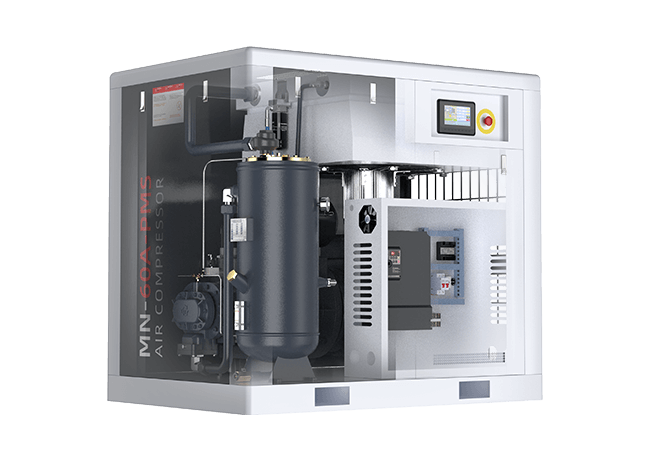
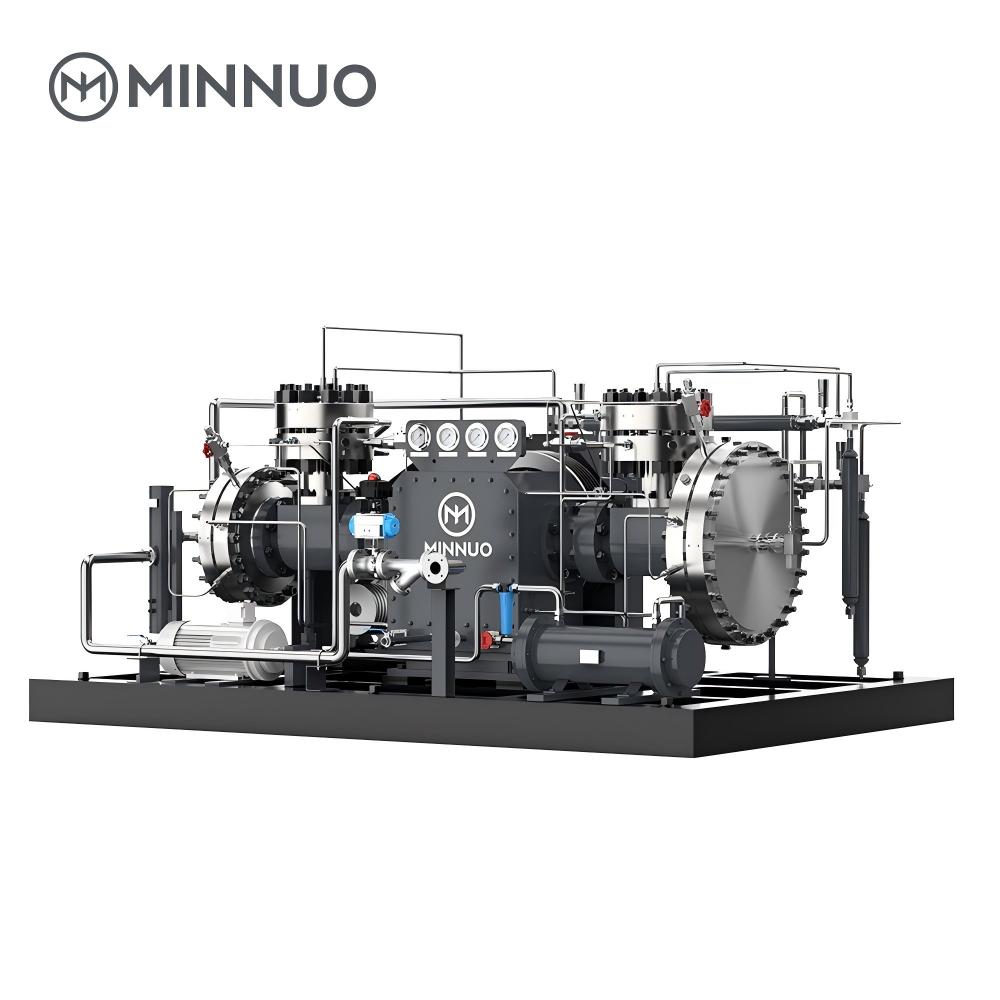
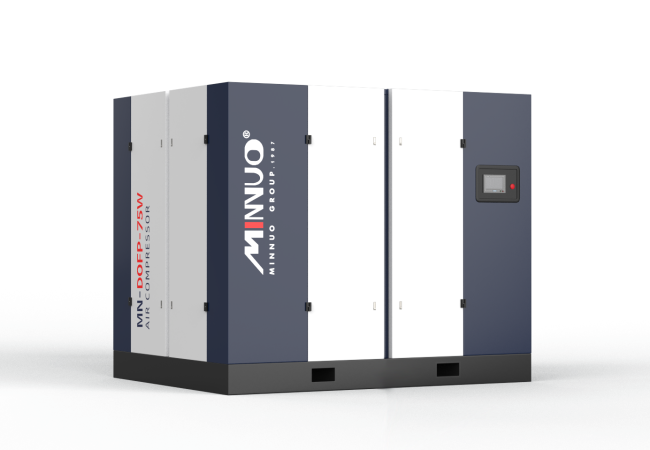
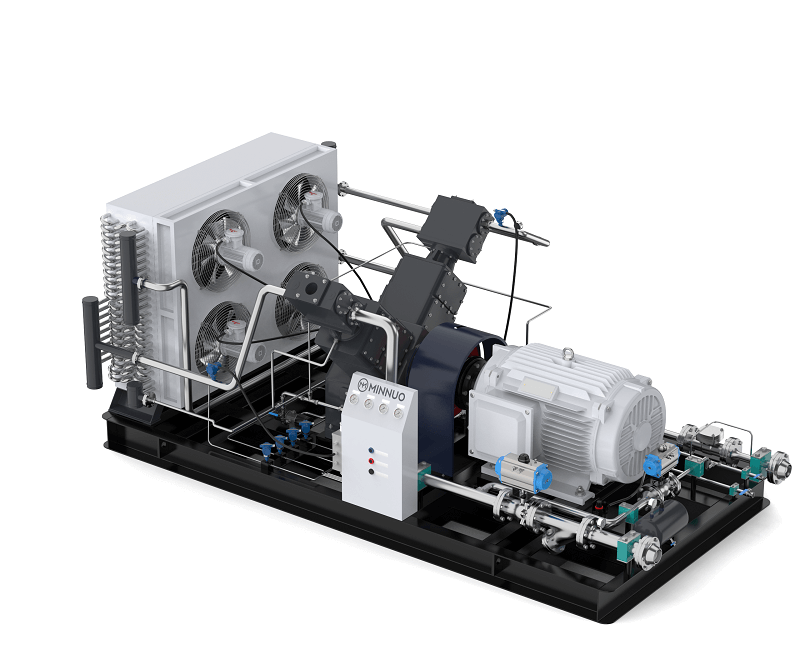
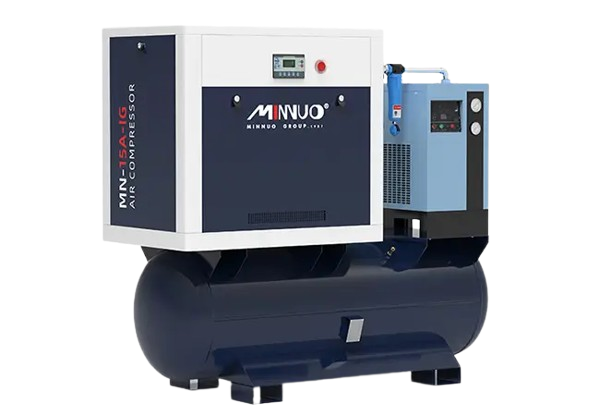
In the competitive and quality-driven world of textile manufacturing, the screw air compressor is far more than a utility—it is a direct contributor to product quality, machine uptime, and operational cost. From the precise twisting of yarn in air-jet spinning to the high-speed weft insertion in modern looms, reliable, clean, and stable compressed air is the invisible thread that holds efficient production together. By investing in a properly sized, energy-efficient, and meticulously maintained screw compressor system with appropriate drying and filtration, textile mills can protect their product quality, maximize machinery ROI, and gain a significant competitive edge. For textile operations where quality and uptime are paramount, MINNUO provides engineered compressed air solutions designed to meet the demanding, continuous-duty requirements of the modern mill.
 Email
Email sales:+86 15366749631