Introduction
Here’s something many compressor owners don’t realize: every time your air compressor runs, it produces water.
Not liquid water pouring out (usually), but water vapor suspended in the compressed air. When that air cools in the tank, the vapor condenses into liquid water—puddles at the bottom of your tank.
If you don’t remove that water, bad things happen:
- Rust eats your tank from the inside
- Water damages air tools and lines
- Rust particles clog components
- Bacteria can grow in standing water
Draining your tank is simple. But doing it properly—and consistently—makes the difference between a compressor that lasts 5 years and one that lasts 20.
This guide covers everything you need to know about draining your air compressor tank.
Why Water Gets in Your Tank
Air always contains water vapor. Warm air holds more moisture.
When your compressor compresses air, it concentrates moisture. As the air cools in the tank, vapor turns to liquid water.
On a humid day, a large compressor can produce gallons of water per shift.
What Happens If You Don’t Drain
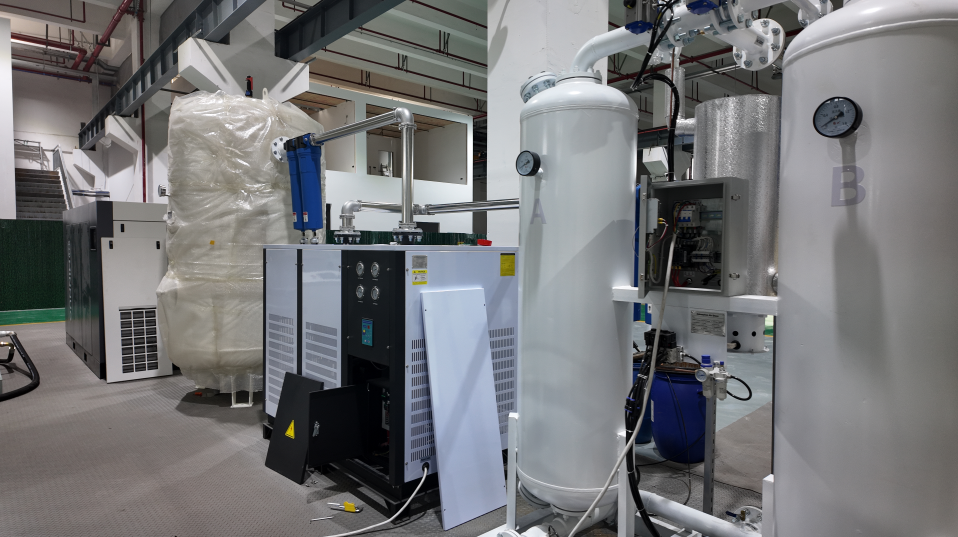
- Tank corrosion: Steel + water + oxygen = rust. Rust weakens the tank and can lead to failure.
- Tool damage: Water washes away lubrication and causes internal rust.
- Contamination: Water ruins paint finishes and contaminates food/medical air.
- Frozen lines: In cold weather, water freezes and blocks or bursts pipes.
Types of Tank Drains
- Manual ball valve: Common, simple open/close.
- Manual petcock: Small screw-type valve.
- Automatic drain: Works without manual action.
- Electronic drain: Timer-controlled.
- Float drain: Opens when water level rises.
How Often Should You Drain?
- Light home use: After each use
- Daily shop use: Daily
- Continuous industrial use: Every shift
- Humid environment: Every 4–6 hours
- Medical/food: Follow strict protocol
Pro tip: If you hear sloshing, you’ve waited too long.
How to Drain a Manual Valve (Step by Step)
Step 1: Depressurize (safer) Turn off the compressor and lower pressure to 10–20 PSI.
Step 2: Catch the water Place a bucket or hose under the drain.
Step 3: Open slowly Avoid sudden high-pressure spray.
Step 4: Let drain completely Wait until only air comes out.
Step 5: Close firmly Do not overtighten.
Step 6: Check for leaks
Draining Under Pressure vs. Depressurized
- Under pressure: Faster, flushes debris, but higher risk. Wear eye protection.
- Depressurized: Safer, but slower.
Recommendation: Daily draining = depressurized first.Occasional deep cleaning = quick pressurized flush.
What Should Come Out?
Normal:
- Clear or slightly cloudy water
- Light oil film
- Small rust flakes (older tanks)
Warning signs:
- Milky / heavy oil
- Rust-colored water
- Excessive sludge
- No water at all (clogged drain)
Automatic Drains: Set and Forget?
Automatic drains eliminate human error.
- Timer-based: Opens on schedule.
- Demand-based: Drains only when water is present.
- Float: Mechanical, no electricity.
All need monthly cleaning to prevent clogs.
Draining Different Types of Compressors
- Small portable: Drain after every use; tilt toward valve.
- Large stationary: Use hose to floor drain.
- Rotary screw + dryers: Drain tank, filters, dryers, drip legs.
- Medical/food: Often use only automatic drains.
What About Compressed Air Dryers?
Dryers remove water vapor, but you still must drain the tank.The tank is where condensation first collects.
Tank Inspection and Maintenance
- Check exterior for rust and dents.
- Inspect interior if an inspection port exists.
- Follow local hydrostatic testing rules.
- Replace tank if significant rust or pitting appears.
FAQ
Q1: How often should I drain my air compressor tank?
A1: At minimum, daily. In humid or heavy-use conditions, drain every shift. For occasional use, drain after each use.
Q2: What happens if I never drain my tank?
A2: Water causes internal rust, weakening the tank. Rust and water damage tools, contaminate air, and can lead to catastrophic tank failure.
Q3: Can I drain my tank while it’s pressurized?
A3: Yes, but open slowly, wear eye protection, and point the drain away from people. Depressurizing first is safer.
Q4: Why is there oil in my drain water?
A4: A light oil film is normal. Heavy oil indicates worn parts, failed separator, or overfilling.
Q5: My automatic drain isn’t working. What should I do?
A5: Clean out debris clogs first. Check power/timers for electronic drains. Use manual drain while repaired.
Q6: How do I know if my tank is rusting inside?
A6: Rusty water, rust flakes, or a musty smell. Have a pro inspect if you suspect serious rust.
Q7: Can I use an automatic drain on any compressor?
A7: Most compressors can be fitted with an automatic drain by replacing the manual valve.
Q8: Should I drain my tank if I have a dryer?
A8: Yes. The dryer reduces moisture but does not eliminate tank condensation.
Q9: My drain valve is clogged. How do I clear it?
A9: Fully depressurize, remove the valve, and clean the orifice. Replace if corroded.
Q10: How long does an air compressor tank last?
A10: 10–15 years with proper draining. Without draining, lifespan drops sharply.
Conclusion
Draining your air compressor tank is the simplest, cheapest, and most important maintenance you can do.
Consistency is everything. Daily draining prevents rust, protects tools, and doubles or triples equipment life.
At MINNUO, we help you keep your system reliable. Whether you need parts, service, or just straightforward advice, we’re here to keep your air system running safely and efficiently.

 Email
Email sales:+86 15366749631