I. Introduction
Mining is one of the harshest environments for any equipment. Dust, moisture, vibration, and extreme temperatures push machines to their limits. Yet one technology has remained indispensable for over a century: compressed air.
Long before electricity reached deep underground, compressed air powered the mining industry. And despite advances in electric and hydraulic systems, it’s still everywhere in modern mines.
Why? Because compressed air offers something no other power source can match in underground environments: intrinsic safety. No sparks. No risk of explosion in methane-rich atmospheres. And it can power tools that are simple, rugged, and easy to maintain thousands of feet below the surface.
This guide explores the three main ways mining operations use compressed air—drilling, ventilation, and material handling—plus other critical applications that keep mines running.
II. Rock Drilling: The Backbone of Mining
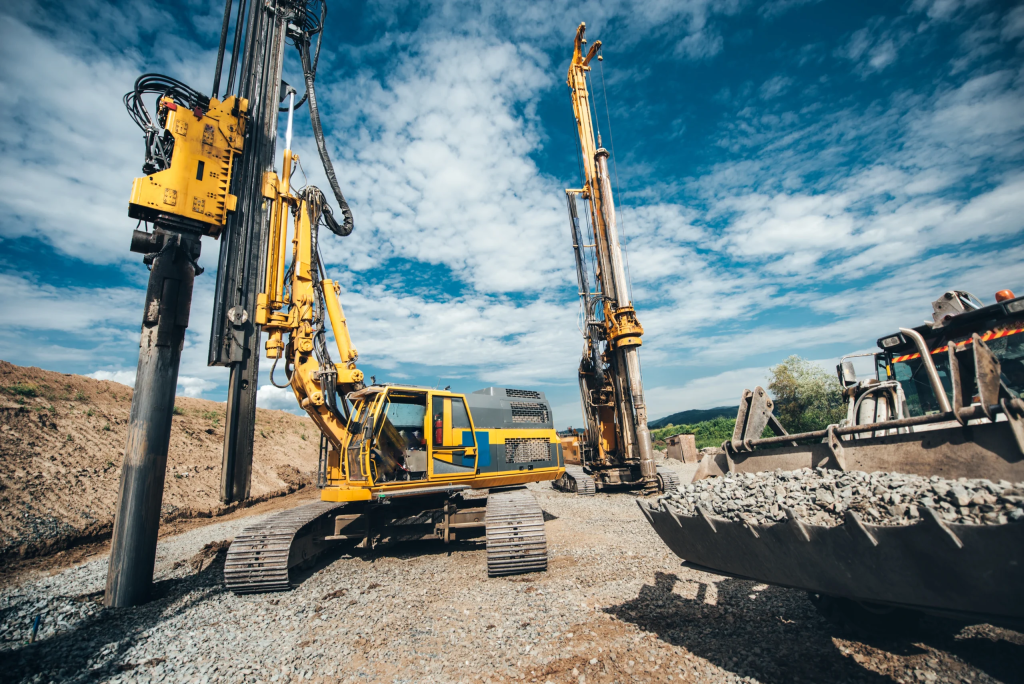
The most iconic use of compressed air in mining is drilling. From the earliest pneumatic drills to modern rigs, compressed air has broken rock for over a century.
How it works:
Pneumatic rock drills use compressed air to drive a piston that hammers the drill bit into rock. The air also flushes cuttings out of the hole—a process called “air flushing” or “blow cleaning.”
Types of pneumatic drills:
- Hand-held jackhammers: For small jobs, secondary breaking, and development work
- Drifters: Mounted on rigs for drilling blast holes in underground drifts
- Down-the-hole (DTH) hammers: The hammer mechanism follows the bit into the hole, delivering energy directly to the rock—most efficient for deep holes
Why air over electric/hydraulic?
- No electrical spark hazard in gassy mines
- Lighter tools for the power delivered
- Air flushing clears cuttings instantly
- Simpler maintenance—fewer seals to fail in dirty conditions
Even in modern mines with electric drills, compressed air remains essential for secondary drilling, roof bolting, and areas where electricity can’t safely reach.
III. Ventilation: Breathing Life Underground
Deep underground, air doesn’t circulate naturally. Without mechanical ventilation, mines would quickly become unbreathable—and dangerous.
Compressed air plays a vital role in mine ventilation, both directly and indirectly.
Direct air supply:
In development headings far from main ventilation flows, compressed air hoses provide fresh air to workers. “Air movers” or “venturi air movers” use compressed air to induce flow, pulling fresh air into dead zones with no moving parts.
Powered auxiliary fans:
While large ventilation fans are electric, smaller auxiliary fans in remote areas may be air-powered—again, for safety in potentially gassy environments.
Instrumentation:
Many mines use pneumatic controls for ventilation doors and regulators. These systems are simple, reliable, and intrinsically safe.
Emergency backup:
If main ventilation fails, compressed air lines become emergency breathing air sources. Refuge stations in modern mines connect to compressed air, providing breathable air for hours or days while rescue reaches trapped miners.
IV. Material Handling: Moving the Mountain
Once rock is broken, it must be moved. Compressed air moves material in several ways.
Pneumatic conveying:
In processing plants, compressed air transports concentrates, powders, and reagents through pipes. This enclosed system keeps dust contained—critical for both worker safety and environmental compliance.
Slurry agitation:
In flotation cells and tanks, compressed air bubbles agitate slurries, keeping solids suspended and aiding chemical reactions. The same air that mixes also provides oxygen for certain leaching processes.
Pneumatic pumps:
For pumping water, sludge, or reagents in hazardous areas, air-operated diaphragm pumps are common. They run on compressed air, have no electrical components, and can run dry without damage.
Hoisting assist:
While main hoists are electric or hydraulic, compressed air often powers auxiliary lifts, positioners, and handling equipment in workshops and processing areas.
V. Other Essential Mining Applications
Beyond the big three, compressed air serves many other roles in mining operations.
Instrument air:
Processing plants rely on pneumatic instruments and controls. Valves open and close with air pressure. Sensors transmit signals. All this “instrument air” must be exceptionally clean and dry—moisture or oil in control lines causes process upsets and safety risks.
Braking systems:
Large mine trucks, trains, and hoists often use air brakes. These systems demand reliable, dry compressed air—brake failure is not an option at 100 tons moving downhill.
Cleaning:
Mines are dirty. Compressed air blows dust off equipment, cleans filters, and keeps walkways clear. (Though smart mines are replacing open blowing with engineered air nozzles to save energy and reduce dust clouds.)
Maintenance tools:
Underground workshops run on air. Impact wrenches, grinders, drills—all the tools mechanics use to keep mining equipment running are typically pneumatic for safety and durability.
Refuge stations:
Every modern underground mine has refuge stations where workers can shelter if escape is impossible. These stations connect to the compressed air system, providing breathable air and pressurization to keep out toxic gases.
VI. Why Air Quality Matters in Mining
Mining pushes compressed air systems to their limits. And air quality isn’t just about equipment life—it’s about worker safety.
The risks of poor air quality:
- Oil mist: In a mine, oil in compressed air can create fire hazards. Oil-coated dust burns. Oil mist in confined spaces is a risk.
- Water: In cold climates, water in air lines freezes, blocking tools and controls. In any climate, water rusts pipes and washes away lubricant in tools.
- Particulates: Dirt in air lines wears out tools faster and can jam pneumatic controls at critical moments.
Breathing air standards:
When compressed air is used for ventilation or refuge stations, it must meet breathing air standards. This means:
- Carbon monoxide monitoring
- Dew point control to prevent freezing
- Oil removal to below detectable levels
- Particulate filtration
Mines often treat compressed air to different standards for different uses—plant air for tools, instrument air for controls, and breathing air for safety systems.
VII. Challenges of Mining Compressed Air Systems
Operating compressed air in mining comes with unique challenges.
Distance:
Mines are sprawling. Compressed air may travel kilometers through pipes. Pressure drops, leaks, and condensation are constant battles.
Corrosion:
Mine air often contains sulfur compounds, salts, and moisture that corrode pipes from both inside and out. Stainless steel or coated piping helps, but corrosion never stops.
Dust:
Intake air in mines is loaded with dust. Filtration must be aggressive, or compressors self-destruct.
Power availability:
In remote mines, power may be unreliable or expensive. Compressed air systems must be designed for efficiency—or diesel-powered where grid power doesn’t reach.
Heat:
Underground is hot. Compressors generate more heat. Ventilating compressor rooms in deep mines is a design challenge in itself.
VIII. Efficiency Considerations in Mining
Compressed air is expensive to produce. In mining, where systems are large and run continuously, efficiency matters.
Common inefficiencies in mining:
- Leaks: In extensive piping networks, leaks can consume 20-40% of total output. And leaks underground are hard to find.
- Over-pressurization: Operators crank up pressure “just to be sure,” wasting energy and increasing leak flow.
- Inappropriate uses: Open blowing for cleaning wastes huge volumes. Engineered nozzles cut usage dramatically.
- Poor intake location: Drawing hot, dusty air from underground forces compressors to work harder.
Efficiency solutions:
- Regular leak detection surveys (ultrasonic detectors work even in noisy mines)
- Pressure/flow logging to understand actual demand
- VFD compressors where demand varies
- Heat recovery—compressor heat can warm intake air or buildings on surface
FAQ
1. Why is compressed air still used in mining when electric tools exist?
Safety. In gassy mines, electric tools can spark explosions. Pneumatic tools run on air—no sparks, no fire risk. They’re also simpler, more rugged, and easier to maintain in remote underground locations.
2. Can miners breathe compressed air directly?
In emergencies, yes. Refuge stations connect to compressed air systems, providing breathable air. But for daily use, compressed air must be specially treated—filtered, dried, and monitored—before it’s safe for breathing.
3. How is compressed air distributed underground?
Through extensive piping networks—typically steel or stainless steel, sized to minimize pressure drop. Branch lines run to working areas, with drop hoses connecting tools. Systems are sectionalized with valves so parts can be isolated for maintenance.
4. What happens if compressed air fails in a mine?
It depends on the application. For tools, work stops. For ventilation, backup systems should activate. For refuge stations, backup air supplies (bottled or cascaded) take over. Mines design systems with redundancy because failure can be life-threatening.
5. How do mines keep compressed air dry?
Underground is often humid. Compressed air systems use dryers—typically refrigerated or desiccant—at the compressor house. Additional drop-legs and drains throughout the piping system remove condensation that forms as air cools underground.
6. Is oil-free air required in mines?
For most tool applications, standard lubricated compressors with good filtration are fine. For breathing air and instrument air, oil-free compressors or special filtration are required. Many mines use oil-flooded rotary screws for bulk air, then treat portions for sensitive uses.
7. How deep can compressed air be used underground?
There’s no absolute limit, but depth creates challenges. Pressure must increase to overcome pipe friction over long distances. At extreme depths (thousands of meters), compression heat and pressure drop require careful system design and booster compressors.
Conclusion
Compressed air has powered mining for generations, and it’s not going away. In an industry where safety is paramount and conditions are brutal, pneumatics offer reliability that electric and hydraulic systems can’t match.
From the thunder of rock drills to the quiet hiss of ventilation air in a refuge station, compressed air touches every part of mining operations. Understanding these applications helps mine operators design better systems, maintain them properly, and recognize when something’s wrong.
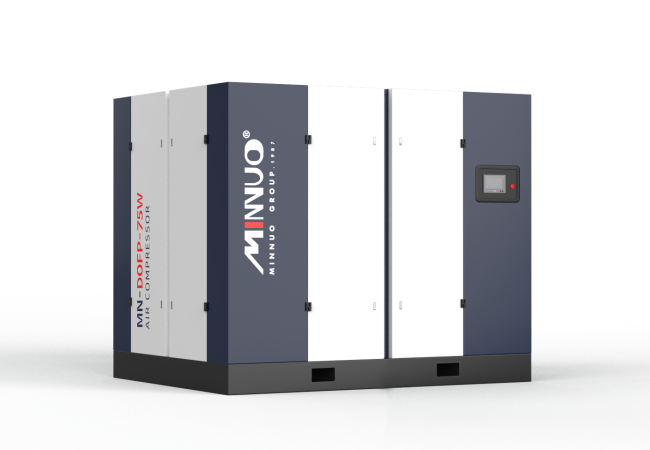
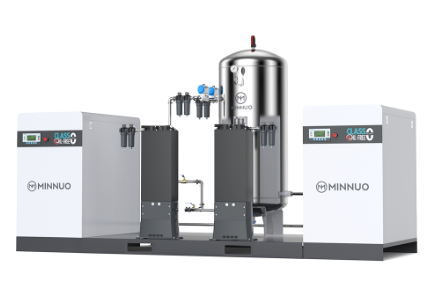
At MINNUO, we understand the demands of mining. Our compressed air solutions are built for the toughest environments—because we know that underground, failure isn’t an option. Whether you’re opening a new mine or upgrading an existing system, we can help you get the air you need, where you need it.
 Email
Email sales:+86 15366749631