Driven by global “dual-carbon” goals and the wave of industrial intelligence, compressors, as core equipment for energy conversion and gas transportation, are entering a critical period of technological iteration and application upgrades. The global compressor market is projected to exceed $100 billion by 2025, with energy efficiency, cleanliness, and intelligence becoming core dimensions of industry competition. From industrial production to new energy applications, from medical and food products to mobile vehicle scenarios, compressor performance directly impacts production efficiency, product quality, and environmental compliance. This article will combine industry technology trends and practical application cases to explain the core logic of compressor selection, providing a reference for enterprises to make efficient procurements.
Compressor Technology Iteration: Three Core Trends Leading Industry Transformation
1.Energy efficiency upgrade: Variable frequency and two-stage compression are key to energy saving.
Traditional fixed-speed compressors suffer from significant energy waste during low-load operation. The widespread adoption of variable frequency drive (VFD) technology enables dynamic matching of compressor operating power with actual gas consumption, resulting in energy savings of 30%-35% compared to traditional models. More advanced two-stage compression technology further reduces energy consumption through staged compression and intercooling, with some high-end models achieving a power-to-weight ratio as low as 8.5 kW·h/100m³. This energy-saving advantage is particularly significant in continuous production scenarios. Taking the compressors that power medium-sized industrial boilers as an example, the annual electricity savings can reach hundreds of thousands of kilowatt-hours, and the carbon dioxide emissions can be reduced by more than a thousand tons. The investment payback period is generally shortened to 1-2 years.
2.Cleaner Development: Oil-Free Technology Adapts to Highly Sensitive Scenarios
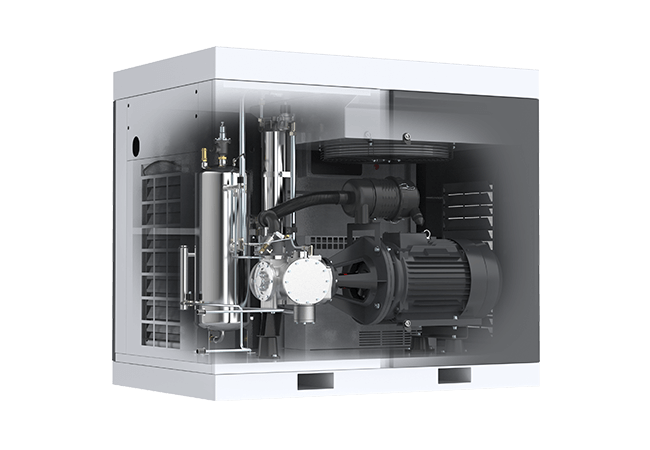
With increasing demands for gas purity in industries such as food processing, medical equipment, and semiconductor manufacturing, oil-free compression technology has become a necessity. Oil-free scroll and diaphragm compressors, through their gas-oil isolation design, achieve the ISO8573-1 Class 0 oil-free standard, with an oil content of ≤0.0005mg/m³. Combined with a multi-stage filtration system, they can remove 99.999% of particulate matter and oil mist aerosols. This clean gas source prevents corrosion of sensitive equipment and product contamination, extends the service life of downstream equipment, and its application in precision manufacturing and consumer goods continues to increase.
3.Intelligent transformation: Remote operation and maintenance and data traceability become standard features
Modern industry demands increasingly higher levels of equipment reliability and operational efficiency, making the intelligent upgrading of compressors inevitable. Models equipped with built-in PLC control systems and industrial internet modules can monitor key parameters such as pressure, flow rate, and temperature in real time, enabling remote monitoring, fault warnings, and parameter adjustments via mobile phone or computer. Some high-end products also support data export and traceability, complying with industry standards such as ISO17025 and GLP, providing data support for quality control and reducing unnecessary downtime by more than 80%.
Core selection logic: Matching scenario requirements across four dimensions
Pressure and Flow: Precisely Adapted to Production Conditions
Different industries have significantly different requirements for compressor pressure and flow rate: hydrogen refueling stations require high-pressure compressors of 35-40 MPa, industrial boilers are suitable for medium-high pressure equipment of 10-20 MPa, while vehicle air conditioning systems only require low-pressure output of 1-2 MPa. When selecting a compressor, it is necessary to consider the actual needs of the production process to avoid cost waste due to redundant parameters or production efficiency losses due to insufficient parameters. For example, ceramic kilns require a stable high-pressure gas source to ensure uniform flame; if the pressure fluctuates too much, it will lead to uneven product color and an increased defect rate.
Cleanliness and Compliance: Meeting Specific Industry Requirements
The food and medical industries need to focus on the hygiene certification and oil-free design of compressors, ensuring that gas contact parts are made of food-grade materials such as 316L stainless steel and comply with standards such as FDA and HACCP. The chemical and oil and gas industries require equipment with explosion-proof certification (such as ATEX/IECEx) and corrosion resistance to cope with high-risk environments and corrosive gases. The new energy industry has extremely high requirements for gas purity, and hydrogen compressors must ensure 99.999% purity to avoid catalyst poisoning.
Energy efficiency and operating costs: Optimal life cycle cost
When selecting a model, one should not only focus on the initial purchase price, but also comprehensively consider operating energy consumption, maintenance costs, and service life. Although the purchase cost of a Level 1 energy-efficient model is slightly higher, it can save a significant amount of electricity costs in the long run; products with a core component life of ≥8000 hours can reduce maintenance frequency and downtime losses. For example, after a certain air separation plant replaced its compressor with a high-efficiency compressor, it saved more than $250,000 in electricity costs annually, and recovered its investment cost in just 14 months.
Compatibility and after-sales service: Ensuring continuous operation
Industrial production often involves 24-hour continuous operation, making equipment environmental adaptability and after-sales service crucial. In high-temperature, high-humidity, and dusty environments, models with a protection rating of ≥IP55 should be selected. Overseas users need to pay attention to the supplier’s localized service capabilities, including spare parts supply, technical support, and installation and commissioning. Comprehensive after-sales service can reduce equipment downtime to within hours, avoiding significant losses caused by production interruptions.
Typical application scenarios: How compressors can empower industry upgrades
Breakthrough in high-pressure cleanroom protection technology in the new energy sector
In hydrogen fuel cell power generation and refueling station scenarios, compressors need to achieve a wide pressure range adjustment of 1.3-40 MPa while ensuring 100% oil-free compression to avoid contaminating the fuel cell membrane electrode assembly (MEA). After adopting an advanced hydrogen diaphragm compressor, a Japanese hydrogen refueling station reduced the refueling time per vehicle from 15 minutes to 8 minutes, improving efficiency by 47%, and the equipment operated continuously for a year without failure. In the electric vehicle sector, oil-free scroll air compressors provide a clean air source for battery cooling and HVAC systems. After being adopted by US automakers, this has improved vehicle battery heat dissipation efficiency by 15%, indirectly extending driving range.
Industrial Manufacturing: Dual Empowerment of Cost Reduction and Emission Reduction
Traditional industrial boilers and kilns using oil or coal are costly and polluting. Replacing them with CNG compressors to supply clean energy can reduce fuel costs by 30%-40%. A foundry in Turkey, by using CNG compressors to replace diesel fuel, not only saved 3 million yuan annually but also increased the pass rate of heat-treated products from 92% to 98%. A German glass factory, after using a high-pressure and stable compressed air source, reduced its product scrap rate by 15% and simultaneously decreased energy consumption.
People’s Livelihood and Special Scenarios: Precisely Adapting to Diverse Needs
Mobile medical units require miniaturized, low-noise, and high-cleanliness compressors to provide a stable air supply for equipment such as ventilators and ensure the safety of outdoor medical treatment; mobile food carts use compact, oil-free air compressors that can drive food processing equipment while avoiding oil contamination of food. After being adopted by Spanish operators, energy costs decreased by 25%; RVs and camping scenarios have extremely high requirements for the quietness and energy efficiency of compressors. Operating noise of ≤60dB and frequency conversion technology can improve the outdoor experience and extend battery life.
Brand selection: Technological expertise and service capabilities are key.
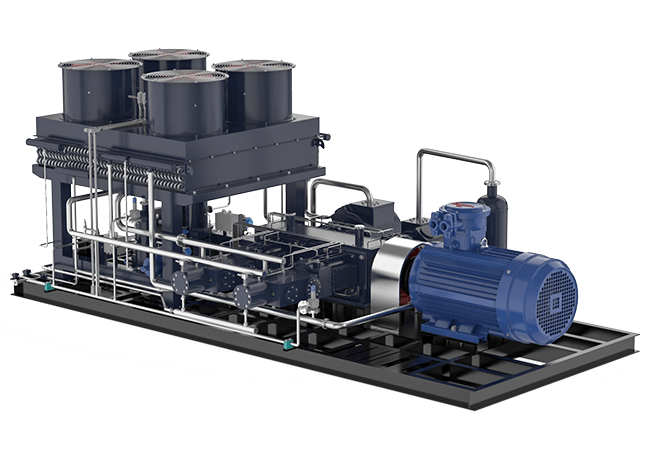
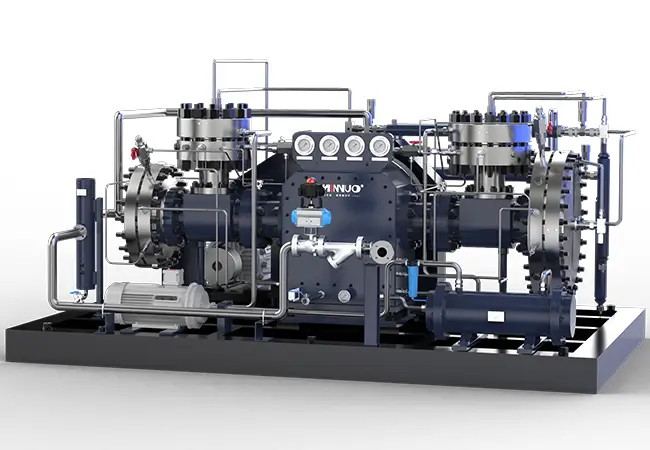
As core industrial equipment, the user experience is directly influenced by a brand’s technological accumulation and service network. Companies with decades of experience in the industry often possess more mature technical solutions and rich application cases, enabling them to provide customized products for different industry needs. For example, Jiangsu Minnuo, with 37 years of experience in compressor manufacturing, offers a full range of products including oil-free scroll compressors, high-pressure screw compressors, and hydrogen diaphragm compressors. Its products have passed multiple international certifications such as ISO9001, ATEX, and FDA, with core components boasting a lifespan exceeding 8,000 hours. It also supports 24-hour technical response and global spare parts supply.
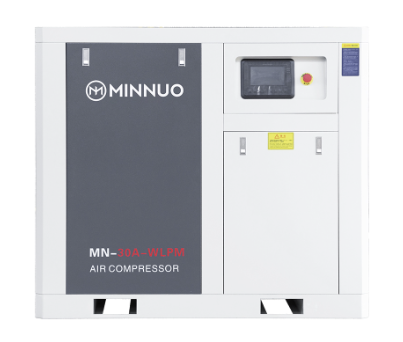
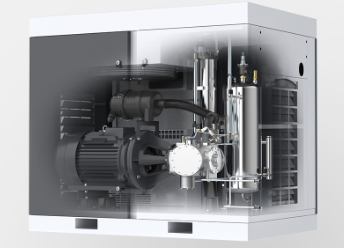
In practical applications, Minnuo Compressors has served companies in over 120 countries worldwide, accumulating numerous successful cases in fields such as hydrogen energy, chemicals, food, and new energy: a Malaysian air separation plant saved 4.19 million kWh of electricity annually using its high-pressure compressors; a Canadian food factory solved its gas pollution problem by adopting oil-free compressors; and a Turkish foundry achieved cost reduction and quality improvement with the help of its CNG compressors. Behind these cases lies the company’s meticulous attention to technical details and deep understanding of user needs.
Conclusion: Compressor selection is a crucial step in industrial upgrading.
During this critical period of industrial transformation and upgrading, compressor selection is not merely equipment procurement, but a strategic decision for enterprises to enhance their core competitiveness. From a technological trend perspective, energy saving, cleanliness, and intelligence will continue to dominate industry development; from a selection logic perspective, it is necessary to consider scenario adaptability, compliance requirements, operating costs, and after-sales service. Choosing a suitable compressor can bring multiple benefits to enterprises, including cost reduction, emission reduction, quality improvement, and efficiency enhancement. Brands with technological expertise and service capabilities will become reliable partners for long-term enterprise development. In the future, with continuous technological advancements, compressors will play a core role in more emerging fields, injecting continuous momentum into high-quality industrial development.
 Email
Email sales:+86 15366749631