A screw air compressor is a significant investment—and like any precision machine, it rewards regular attention with years of reliable service. Neglect it, and you’ll face breakdowns, costly repairs, and production downtime. The good news? Most maintenance tasks are simple, take only minutes, and follow predictable schedules. This guide provides a complete maintenance schedule and checklist for rotary screw compressors, whether you’re an operator doing daily checks or a manager planning annual overhauls.
Why Maintenance Matters
Before diving into the checklist, understand what’s at stake. A well-maintained screw compressor delivers:
- Lower energy bills (clean filters = less resistance = lower power consumption)
- Fewer unplanned breakdowns (catch problems early)
- Longer equipment life (15-20+ years is achievable)
- Better air quality (clean oil, dry air, good filters)
- Higher resale value (service records prove care)
Let’s get started.
I. Daily Maintenance Tasks (5-10 Minutes)
These quick checks prevent most common problems. Perform them at startup or during your first walk-through.
| Task | What to Check | Why It Matters |
| Check oil level | Sight glass should show oil between min and max marks. Unit should be off and depressurized for accurate reading. | Low oil causes overheating and catastrophic failure. |
| Record operating parameters | Note discharge pressure, temperature, and running hours. | Trends tell you something’s changing before it breaks. |
| Drain condensate | Open manual drains on receiver tank, dryer, and filters until water runs clear. | Water in the system corrodes pipes and damages tools. |
| Listen for unusual noises | Familiarize yourself with normal sound. New knocks, rattles, or squeals mean trouble. | Early warning of bearing wear, loose belts, or failing components. |
| Check for leaks | Listen for hissing. Feel around fittings. Look for oil spots under unit. | A small leak today is a big leak tomorrow. |
| Inspect hoses and belts | Look for cracks, fraying, or glazing on belts. Hoses should be firm, not soft or bulging. | Sudden belt break = immediate shutdown. |
II. Weekly Maintenance Tasks (15-20 Minutes)
Once a week, dig a little deeper.
| Task | What to Check | Why It Matters |
| Check air intake filter | Look at differential pressure gauge (if equipped). If in red, replace. Otherwise, visual check for dirt. | Clogged filter starves compressor, wastes energy, and can suck in debris. |
| Inspect oil filter | Check differential pressure gauge. Note any leaks around filter housing. | Clogged oil filter restricts lubrication, causing heat and wear. |
| Check separator element | Monitor differential pressure across oil separator. Rising pressure means element is clogging. | High pressure drop increases energy use and risks element rupture. |
| Verify dryer operation | Check dew point reading (if equipped). Drain should cycle periodically. | Wet air ruins downstream equipment and processes. |
| Clean exterior | Wipe down unit. Remove dust from cooler fins with compressed air or soft brush. | Dirty coolers cause overheating. Clean = efficient. |
| Test safety valve | Lift ring briefly to ensure valve moves freely. Wear gloves—air will be hot. | Stuck safety valve = explosion risk. |
III. Monthly Maintenance Tasks (30-60 Minutes)
Monthly checks catch developing issues before they become emergencies.
| Task | What to Check | Why It Matters |
| Tighten electrical connections | With power locked out, check terminal block screws, contactor connections, and motor leads. | Loose connections overheat and can cause fires. |
| Inspect all hoses and tubes | Look for soft spots, bulges, or abrasion. Pay special attention to high-pressure lines. | Ruptured hose = sudden shutdown and safety hazard. |
| Check vibration mounts | Ensure compressor is sitting level and mounts aren’t cracked or compressed. | Vibration loosens fittings and accelerates wear. |
| Test all alarms and shutdowns | Simulate high temperature, high pressure, or low oil conditions (per manual). | Don’t wait for a real emergency to find out alarms don’t work. |
| Check oil quality | Take oil sample (if you have test kit) or at least look at color. Milky oil means water contamination. | Bad oil doesn’t lubricate or cool properly. |
| Inspect and clean cooler | Remove debris from cooler fins. For water-cooled units, check inlet strainer. | Overheating is a top cause of compressor failure. |
| Check belt tension | Press halfway between pulleys—should deflect about 1/2 to 3/4 inch (12-20mm). | Loose belts slip (lost efficiency), tight belts wear bearings. |
IV. Quarterly Maintenance Tasks (Every 500-1000 Hours)
These tasks require more time but are essential for long-term reliability.
| Task | What to Do | Why It Matters |
| Change oil and oil filter | Follow manufacturer’s interval (typically 2000 hours for standard oil, 4000+ for synthetic). | Old oil loses viscosity, doesn’t cool well, and forms sludge. |
| Replace air intake filter | Don’t just clean—replace with genuine element. | Cheap filters don’t seal well and let dirt into compressor. |
| Inspect and clean separator | Check differential pressure. If near upper limit, replace. | Separator failure sends oil into air stream (messy, expensive). |
| Check valve operation | Listen for inlet valve opening/closing smoothly. Check minimum pressure valve operation. | Stuck valves affect performance and efficiency. |
| Grease motor bearings | If motor has grease fittings, add specified amount while running (per motor manual). | Bearing failure = motor replacement. |
| Check shaft alignment | For direct-drive units, verify coupling alignment. | Misalignment destroys couplings and bearings. |
| Calibrate sensors | Check pressure and temperature readings against known references. | Bad data leads to bad decisions. |
V. Annual Maintenance Tasks (Every 2000-4000 Hours)
Once a year, or during scheduled shutdown, perform comprehensive service.
| Task | What to Do | Why It Matters |
| Complete oil flush | Drain all oil, replace separator, oil filter, and refill with fresh oil. | Fresh start for next year of operation. |
| Replace air/oil separator | Even if pressure drop is OK, replace at manufacturer’s interval (typically 8000 hours). | Prevents unexpected failure during peak season. |
| Inspect airend | Check vibration levels, temperature trends. Consider oil analysis if not done routinely. | Early detection of bearing wear saves airend replacement. |
| Overhaul inlet valve | Disassemble, clean, inspect seals, reassemble. | Sticky valve causes unload problems. |
| Check pressure relief valves | Remove and bench test or replace per local regulations. | Safety devices must work when needed. |
| Inspect all electrical components | Check contactors for pitting, clean starter cabinets, verify overload settings. | Electrical failures are common and sudden. |
| Check piping for corrosion | Inspect air and oil lines for rust or wear points. | Leaks happen where you least expect them. |
| Professional inspection | Have qualified technician perform complete system check. | Fresh eyes catch things you’ve learned to ignore. |
VI. Special Considerations by Compressor Type
1. Variable Speed Drive (VSD)Compressors
VSD units have additional maintenance needs:
- Clean VSD cabinet air filters monthly (prevents overheating)
- Check cooling fan operation
- Verify speed sensor signal
- Monitor bearing currents (some VSDs need special shaft grounding)
2. Oil-Free Screw Compressors
Oil-free units have different requirements:
- No oil changes (but gearboxes may have oil)
- Air end bearings need grease at specified intervals
- Timing gears require inspection
- Cooling systems are more critical (higher discharge temps)
3. High-Pressure Compressors
For pressures above 150 PSI:
- More frequent valve inspections
- Check interstage pressures and temperatures
- Verify safety reliefs on each stage
VII. Creating Your Maintenance Program
1. Know Your Manual
This checklist is a general guide. Always follow your specific manufacturer’s recommendations—intervals vary by model, oil type, and duty cycle.
2. Track Hours, Not Just Calendar
Compressors measure life in running hours. Base maintenance on hours, but don’t ignore calendar time—even idle machines degrade (seals dry, oil absorbs moisture).
3. Use a Logbook
Record all readings, maintenance actions, and observations. Good records:
- Prove you’ve maintained equipment
- Show trends before failures
- Help diagnose problems
- Increase resale value
4. Consider Oil Analysis
For critical or large compressors ($50k+), oil analysis is cheap insurance. A $50 test can tell you:
- Wear metals (bearing condition)
- Water contamination
- Oil degradation
- Wrong oil type
5. Train Operators
The person walking past the compressor every day is your best early warning system. Teach them what’s normal and what to report.
6. Plan for Spare Parts
Keep critical spares on hand:
- Air filter elements
- Oil filters
- Belts (if belt-driven)
- Fuses
- Pressure switch (if applicable)
VIII. Common Maintenance Mistakes to Avoid
| Mistake | Why It’s Bad |
| Ignoring small leaks | Small becomes big, often at 3 AM. |
| Using cheap filters | They don’t seal well, let dirt in, destroy compressor. |
| Overfilling oil | Excess oil gets carried into system, coats everything. |
| Running with high temperature | Every 10°C above normal halves oil life. |
| Skipping belt checks | Belt slips → lower pressure → motor works harder → higher energy. |
| Not draining condensate | Water in oil destroys bearings. Water in air ruins tools. |
| Ignoring unusual sounds | Bearings and belts warn you before they fail. |
| No logbook | You can’t manage what you don’t measure. |
IX. Sample Daily Log Sheet
Here’s a simple template you can copy:
Date: ___________ Running Hours: ___________ Technician: ___________
READINGS:
- Discharge Pressure: _____ PSI
- Discharge Temperature: _____ °C
- Oil Pressure: _____ PSI
- Oil Temperature: _____ °C
- Air Filter ΔP: _____ (green/yellow/red)
- Oil Filter ΔP: _____ (green/yellow/red)
- Separator ΔP: _____ (green/yellow/red)
CHECKS:
☐ Oil level OK
☐ No unusual noises
☐ No visible leaks
☐ Condensate drained
☐ Coolers clean
☐ Belts OK (if applicable)
☐ Dryer operating
NOTES/OBSERVATIONS:
FAQ: Screw Air Compressor Maintenance
Q1: How often should I change the oil in my screw compressor?
A1: It depends on oil type and duty cycle:
- Standard mineral oil: 2000 hours or annually (whichever comes first)
- Synthetic oil: 4000-8000 hours depending on manufacturer
- Food-grade oil: Often shorter intervals
Always follow your manual. In hot, dusty, or continuous-duty applications, change more frequently.
Q2: What type of oil should I use?
A2: Only use oil specifically formulated for rotary screw compressors. These oils have additives that resist oxidation, separate water, and protect against wear. Never use motor oil, hydraulic oil, or generic lubricants. Check your manual for approved viscosity (typically ISO VG 32, 46, or 68) and specification.
Q3: Why does my compressor need an air filter if it’s indoors?
A3: Even “clean” indoor air contains dust, fibers, and particulates. Without filtration, these abrasives would:
- Score cylinder walls and rotors
- Contaminate oil
- Clog separator elements
- Wear valves and bearings
Change filters on schedule—they’re cheap compared to repairs.
Q4: My compressor runs fine—why follow a schedule?
A4: Because you can’t see inside. Oil degrades slowly. Filters clog gradually. Belts wear imperceptibly. By the time you notice a problem, damage is already done. Preventive maintenance catches issues when they’re small and cheap to fix.
Q5: How do I know if my separator needs replacement?
A5: Two signs:
- Pressure drop: If differential pressure across separator is high (check manual), it’s clogged.
- Oil carryover: If oil appears in discharge air (tools oily, filters wet), separator may be damaged or saturated.
Replace at first sign—a failed separator sends oil everywhere.
Q6: Can I do maintenance myself, or do I need a technician?
A6: Many tasks are operator-level:
- Daily checks ✅
- Filter changes ✅ (with proper lockout)
- Oil changes ✅
- Belt adjustments ✅
Leave these to professionals:
- Airend repairs
- Electrical troubleshooting
- Valve overhauls
- Safety device testing
- Major component replacement
Q7: How long should a screw compressor last?
A7: With proper maintenance:
- Light duty: 20+ years
- Continuous industrial: 15-20 years
- Harsh conditions: 10-15 years
The airend (compression element) typically lasts 50,000-100,000 hours before needing overhaul.
Q8: What’s the most important maintenance task?
A8: If you do nothing else: check and record operating temperatures daily. Rising temperature predicts most failures weeks in advance. Followed closely by: keep oil clean and at proper level.
Conclusion
A screw air compressor is designed for years of reliable service—but it won’t maintain itself. A disciplined maintenance program, from daily 5-minute checks to annual professional inspections, is the difference between a compressor that runs for 20 years and one that fails at 5.
The investment in maintenance is tiny compared to the cost of unexpected failure: lost production, emergency repairs, and premature replacement. A $50 filter change today prevents a $5,000 repair next year.
Use this guide to build a program that fits your operation. Adapt intervals based on your actual conditions—compressors in clean, cool, well-maintained environments can stretch schedules; those in hot, dusty, continuous-duty plants need more frequent attention.
Most importantly: document everything. A logbook of readings and actions doesn’t just prove you’ve done the work—it tells you what’s normal for your machine, so you spot the abnormal before it becomes a breakdown.
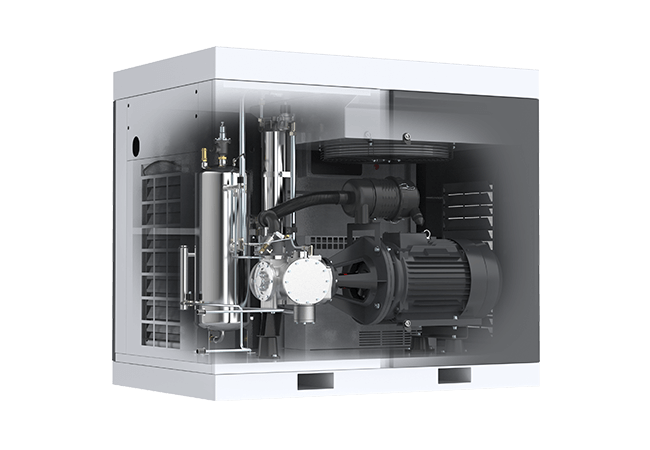
At MINNUO, our screw compressors are designed for easy maintenance, with accessible filters, clear sight glasses, and thoughtful component layout. But even the best design needs your attention. Follow your manual, use this checklist, and your compressor will reward you with decades of reliable, efficient service.

 Email
Email sales:+86 15366749631