In industries and applications that demand 100% pure, contamination-free compressed air, the oil-free screw compressor is the undisputed ultimate solution.
For users in sectors such as food and beverage, pharmaceuticals, electronics manufacturing, and healthcare, choosing a genuine oil free screw compressor is the cornerstone of ensuring final product quality, meeting stringent industry regulations, and avoiding production losses due to oil contamination. Unlike traditional lubricated screw compressors, oil-free technology completely eliminates lubricating oil from the compression chamber through precise mechanical design, delivering air of the highest quality that meets the ISO 8573-1 Class 0 standard.
This article will delve into the core advantages, working principles, key application scenarios of oil-free screw compressors, and guide you in making an informed choice.
How Oil-Free Screw Compressors Work: The Precision Engineering Behind Clean Air
The core of an oil-free screw compressor lies in its completely dry compression process. It compresses air through a pair of precisely meshing male and female rotors, with no lubricating oil involved in sealing or cooling throughout the process.
Core Technical Principles and Components
- Dry Screw Design: A minimal, precision gap is maintained between the rotors and between the rotors and the housing. Compression is achieved by their own precisely machined profiles, eliminating the need for oil sealing.
- Timing Gears: This is the heart of the oil-free design. Synchronous gears mounted on the rotor shafts ensure the male and female rotors maintain exact, non-contact meshing during high-speed operation, preventing metal-to-metal friction.
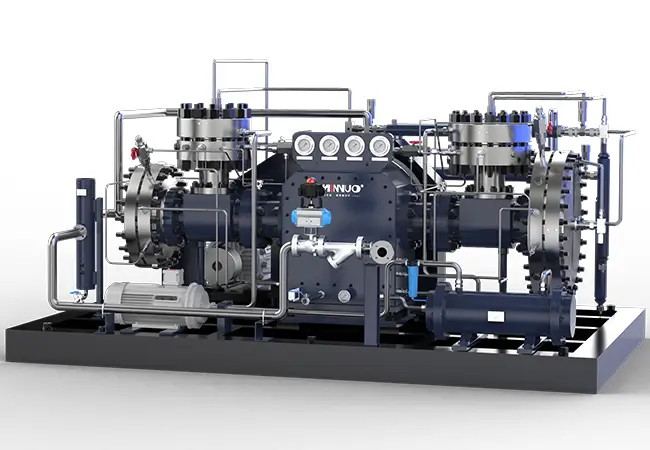
- Multi-Stage Compression and Intercooling: To manage the high temperatures generated by adiabatic compression, oil-free screw compressors typically use two or three compression stages. After each stage, air is effectively cooled via an intercooler to ensure efficient, stable operation and deliver low-temperature air.
- Advanced Sealing System: Labyrinth seals or mechanical seals are used at the rotor shaft extensions to prevent external contaminants from entering the compression chamber while ensuring no internal air leakage.
Key Differences from Lubricated Screw Compressors
The table below clearly contrasts the fundamental differences between the two technologies:
| Feature | Oil-Free Screw Compressor | Lubricated Screw Compressor |
| Compression Chamber Lubrication | Completely Oil-Free | Lubricating oil injected for sealing, cooling, and lubrication |
| Output Air Quality | ISO 8573-1 Class 0 (Highest oil-free class) | Typically Class 1-4, reliant on downstream filters |
| Core Components | Timing Gears, Precision Rotors, Intercoolers | Oil Injection System, Oil Separator, Thermostatic Valve |
| Maintenance Focus | Timing Gear Inspection, Air Cooler Cleaning, Seals | Regular Oil Changes, Oil Filters, Separator Elements |
| Initial Investment | Higher | Lower |
| Operating Costs | Slightly higher energy consumption, but saves oil and filter change costs | Lower energy consumption, but ongoing costs for oil and related consumables |
| Primary Applications | Industries with stringent air purity requirements | General industrial manufacturing, pneumatic tools, etc. |
Core Advantages and Application Scenarios of Oil-Free Screw Compressors
Choosing an oil-free screw compressor is not just about being “oil-free”; it’s about gaining a range of strategic benefits related to operational efficiency, compliance, and the final product.
Four Core Advantages
- Guaranteed 100% Oil-Free Air: Completely eliminates contamination risks caused by lubricating oil, protecting downstream processes and products. This is a prerequisite for meeting stringent international regulations like FDA, EHEDG, and GMP.
- Lower Total Cost of Ownership (TCO): While the initial purchase cost is higher, it eliminates ongoing costs for lubricant purchase, oil filter and separator element changes, and waste oil disposal. In the long run, the total operating cost is more predictable and economical.
- Reduced Maintenance Complexity: Maintenance focuses primarily on cooling systems and mechanical components. There’s no need to manage complex oil circuits or potential issues like oil emulsification or carbonization, making maintenance procedures cleaner and simpler.
- Environmental Sustainability: Prevents the possibility of oil mist being emitted into the workshop environment or exhausted as waste gas. It also avoids the handling of hazardous waste oil, helping companies achieve higher environmental goals and sustainability commitments.
Key Application Industries
As proven by practice and organizations like the International Compressed Air Association (PNEUROP), the following sectors must or strongly recommend using oil-free screw compressors:
- Food & Beverage: Direct contact applications like blowing, packaging, and mixing to prevent oil contamination from spoiling products.
- Pharmaceuticals & Biotechnology: Drug manufacturing, fermentation, and packaging to ensure compliance with sterile production standards.
- Electronics & Semiconductors: Chip manufacturing, circuit board cleaning, and testing where microscopic oil droplets can cause product failure.
- Medical & Dental: Respirators, surgical tool drives, and laboratory gases where human safety is paramount.
- Chemicals & Textiles: Sensitive chemical reactions and fiber processing where oil can alter product chemistry.
How to Choose the Right Oil-Free Screw Compressor for Your Business
Faced with various models from brands like Minnuo Atlas Copco, Ingersoll Rand, Sullair, and Kaeser, making the right decision requires a systematic evaluation.
Purchasing Decision Checklist
Before contacting suppliers, clarify these key parameters:
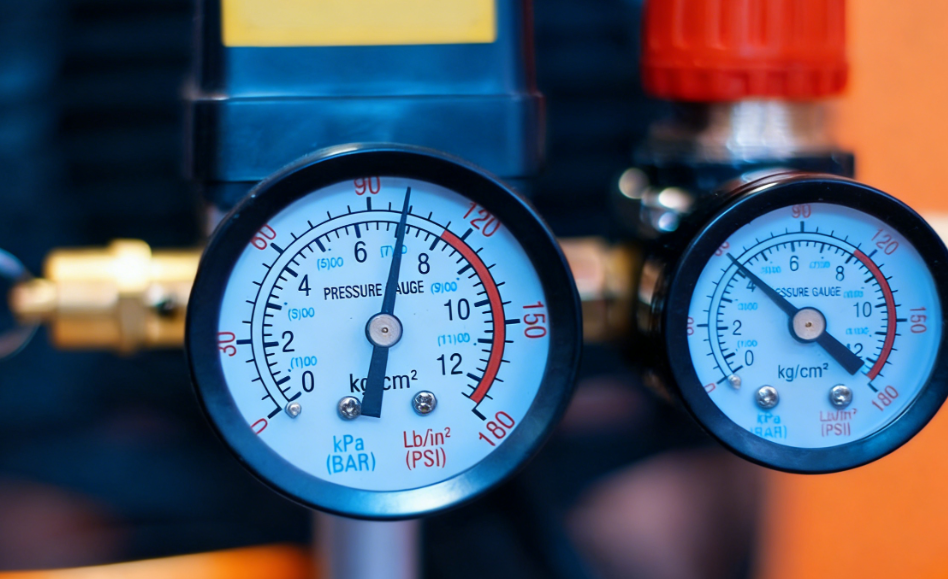
- Actual Air Demand: Accurately assess your required flow rate (CFM or m^3/min) and working pressure (PSI or Bar) to avoid over- or under-sizing.
- Air Quality Certification: Confirm the equipment can consistently deliver your required air quality class. ISO 8573-1 Class 0 is the highest guarantee.
- Energy Efficiency Performance: Pay attention to specific power (kW/(m^3/min)); a lower value indicates higher efficiency. Aim for the highest efficiency class possible (e.g., IE4 super premium motors) according to standards like the European energy label.
- Total Cost of Ownership Analysis: Compare not just the initial quote but also estimated electricity, maintenance consumables, and potential downtime costs over 5-10 years.
- Manufacturer Support & Service: Evaluate the supplier’s local technical support network, spare parts inventory, and preventive maintenance plans.
Frequently Asked Questions
Common Questions About Oil-Free Screw Compressors
Q1: Do oil-free compressors really need no “oil” at all?
A: Yes, the air compression chamber is completely oil-free. However, mechanical transmission parts like the main bearings and timing gearbox still require lubricating oil for lubrication and cooling. These oil circuits are completely physically isolated from the compressed air path, ensuring zero contact.
Q2: Does air from an oil-free screw compressor still need after-treatment equipment?
A: Yes. While an oil-free compressor solves the “oil” problem, compressed air still contains water vapor, dust, and potential microorganisms. Depending on the application, it usually still needs to be paired with a refrigerant dryer, desiccant dryer, and high-efficiency filters to remove moisture and particles for comprehensively clean compressed air.
Q3: Are oil-free screw compressors noisier and hotter?
A: Due to multi-stage compression and intercooling, their discharge temperature is usually well-controlled, often lower than some lubricated models. Noise levels depend on the specific model and enclosure design. Many modern oil-free screw compressors feature efficient acoustic hoods, making their operating noise comparable to lubricated units.
Q4: Is it less energy-efficient than a lubricated screw compressor?
A: Traditionally, due to gear transmission losses and the leakage gap in dry compression, the mechanical efficiency of oil-free designs was slightly lower. However, the latest technologies like Minnuo、Atlas Copco’s Z series or Ingersoll Rand’s Nirvana series, utilizing permanent magnet motors, variable speed drives, and optimized rotor profiles, can achieve exceptional energy efficiency rivaling top-tier lubricated compressors.
Q5: Are maintenance intervals longer or shorter?
A: The maintenance content is different. Oil-free units eliminate frequent oil-related changes (e.g., every 2,000-8,000 hours) but require periodic inspection of timing gears, air coolers, and seals (typically around every 20,000-40,000 hours). Overall maintenance workload may be less, but individual tasks require higher expertise.
Conclusion and Your Next Steps
Investing in an oil free screw compressor is a long-term strategic decision aimed at fundamentally guaranteeing the purity and safety of your production processes and product quality. It is not just a tool for compliance but a key asset for enhancing brand reputation, reducing long-term risks, and achieving green production.
Your Next Steps:
- Conduct an Audit Now: Document in detail the flow, pressure, and quality requirements of all your current air usage points.
- Contact an Expert: Schedule an on-site assessment or online consultation with an authorized distributor or technical engineer from leading oil-free compressor brands like Minnuo.
- Request a Proposal: Ask suppliers to provide a customized solution based on your specific data, including energy efficiency analysis and Total Cost of Ownership simulation.
- Arrange a Site Visit: If possible, visit a demonstration center or a successful case study in a similar industry to see the equipment’s performance firsthand.
Source Statement
This article was written by an Industrial Compressed Air Systems Solution Architect with over 15 years of experience. The information is based on the latest research from authoritative sources such as the International Organization for Standardization (ISO) (ISO 8573-1 air quality standard) and technical guidelines from the European Compressed Air Association (PNEUROP), combined with practical industry insights.

 Email
Email sales:+86 15366749631