Changing your air compressor oil on time is the single most important preventive maintenance task you can perform. Old, degraded oil loses its ability to lubricate, cool, and protect against corrosion, leading to increased wear, overheating, and costly repairs like bearing failure or rotor damage.
There’s no universal “every 6 months” rule. The correct interval depends on your specific compressor, oil type, and operating conditions. This guide will help you determine the optimal oil change schedule for your machine, saving you money on both oil and potential downtime.
The Short Answer: It Depends on These 4 Key Factors
While manufacturer manuals provide a baseline, your real-world schedule should be adjusted based on:
- Oil Type (The Biggest Factor)
- Compressor Run Hours
- Operating Environment
- Oil Condition Monitoring
Factor 1: Air Compressor Oil Type – Mineral, Semi-Synthetic, or Full Synthetic?
The type of oil you use dictates the maximum possible service life.
| Oil Type | Typical Manufacturer Recommended Interval | Maximum Real-World Service Life (Under Ideal Conditions) | Key Characteristics |
| Standard Mineral Oil | 500 – 1,000 hours | Up to 1,000 hours | Basic protection. Breaks down quickly under high heat. Prone to carbon (sludge) formation. |
| Semi-Synthetic Oil | 1,000 – 2,000 hours | Up to 2,000 – 3,000 hours | Blend of mineral and synthetic base oils. Better oxidation stability and thermal resistance than mineral oil. |
| Full Synthetic Oil | 2,000 – 4,000+ hours | 4,000 – 8,000+ hours | Engineered for extreme stability. Highest resistance to oxidation, thermal breakdown, and carbon deposits. Extends filter life and protects best in hot or continuous-duty operations. |
Pro Tip: Always use the oil viscosity (e.g., ISO 46, ISO 68) specified by your compressor manufacturer. Using a heavier or lighter oil can affect lubrication and efficiency.
Factor 2: How Many Hours Does Your Compressor Actually Run?
Don’t go by calendar time alone. A compressor running 24/7 in a factory will need oil changes far more often than one used occasionally in a home workshop.
- Calculate Your Usage: (Monthly kWh from compressor) / (Compressor kW rating) ≈ Monthly run hours
- Example: An 8-hour/day, 5-day/week operation equals roughly 1,600-2,000 hours per year.
Base Your Schedule on Hours: If your manual says “change every 1,000 hours,” and you run 2,000 hours a year, you’ll need two oil changes per year, not one.
Factor 3: Your Operating Environment Matters
Harsh conditions accelerate oil degradation. Shorten your change interval if your compressor faces:
- High Ambient Temperatures (>35°C / 95°F): Heat is oil’s #1 enemy. For every 10°C above normal, oil life can be halved.
- Dusty or Humid Environments: Fine dust can bypass filters and contaminate oil. Moisture leads to acidity and corrosion.
- Continuous vs. Intermittent Duty: A compressor that runs constantly (100% duty cycle) stresses the oil more than one that cycles on and off.

The Most Reliable Method: Monitor Air Compressor Oil Condition
The best practice is to combine time-based changes with regular oil condition checks. Here’s what to look for:
- Visual & Tactile Inspection (Monthly):
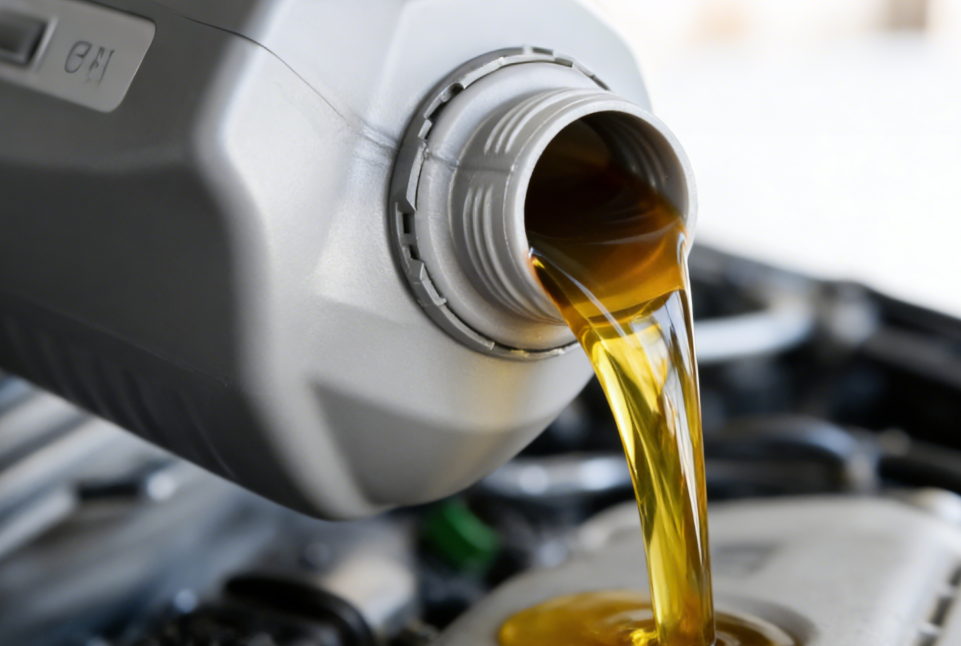
- Color: New oil is typically clear/amber. Darkening is normal, but jet black, opaque oil indicates heavy contamination or breakdown.
- Viscosity: Rub oil between your fingers. If it feels thin and watery (lost viscosity) or gritty (contains particulates), it needs changing.
- Smell: Fresh oil has a mild petroleum smell. A strong, acrid, or “burnt” odor signals thermal degradation.
- Professional Oil Analysis (For Critical Operations):
For large industrial compressors, sending a sample to a lab is cost-effective insurance. A report will detail:
- Viscosity: Is it within spec?
- Acid Number: Indicates oxidation level.
- Water Content: A high percentage (>0.1%) is dangerous.
- Metallic Particles: Wear metals (iron, copper) signal internal component wear.
Practical Air Compressor Oil Change Schedule Guidelines
Use this table as a starting point and adjust based on your conditions.
| Compressor Type / Usage Scenario | Recommended Oil Type | Starting Point Interval |
| Small Workshop (Piston Compressor, intermittent use) | Mineral or Semi-Synthetic | Every 6-12 months or 500-1,000 hours |
| General Factory (Screw Compressor, 1-2 shift operation) | Semi-Synthetic or Full Synthetic | Every 1,000-2,000 hours or Annually |
| Heavy-Duty / 24/7 Operation (Screw Compressor) | Full Synthetic | Every 4,000 – 8,000 hours |
| High-Temperature or Dirty Environment | Full Synthetic | Reduce the above intervals by 30-50% |
Always: Change the oil filter every time you change the oil. A clogged filter bypasses dirty oil, causing rapid wear.
FAQ: Air Compressor Oil Changes
Q1: Can I just top off the oil instead of changing it?
A1: No. Topping off only replaces volume, not quality. It dilutes fresh oil with degraded oil, and does not remove contaminants, water, and acids that have accumulated. Always perform a complete drain and refill.
Q2: My oil looks clean after many hours. Do I still need to change it?
A2: Yes. Oil degrades chemically (oxidation) long before it looks dirty. The additives that prevent corrosion and foaming deplete over time. Following the hour-based schedule is crucial, even if the oil appears clear.
Q3: What happens if I go too long between oil changes?
A3: You risk:
- Increased Wear: Loss of lubrication scoring bearings and rotors.
- Overheating: Degraded oil cannot carry heat away effectively.
- Sludge Formation: Carbon deposits clog oil passages and coolers.
- Corrosion: Acidic byproducts attack internal metals.
- Ultimately, this leads to catastrophic failure and a repair bill far exceeding the cost of regular oil changes.
Q4: How do I properly dispose of used air compressor oil?
A4: Never dump it. Used oil is a hazardous waste. Collect it in a sealed container and take it to an authorized recycling center, auto parts store, or hazardous waste facility. Many oil suppliers offer take-back services.
Conclusion: An Ounce of Prevention
Regular, scheduled oil changes based on oil type, operating hours, and conditions are a minor cost that prevents major expenses. Switching to a high-quality full synthetic oil can often extend intervals and provide better protection, offering a strong return on investment through reduced downtime and longer compressor life.
Unsure about the right oil type or schedule for your specific model and operation? Contact the MINNUO support team with your compressor model and usage details. We can provide manufacturer-approved oil specifications and a tailored maintenance plan to keep your system running reliably.


 Email
Email sales:+86 15366749631