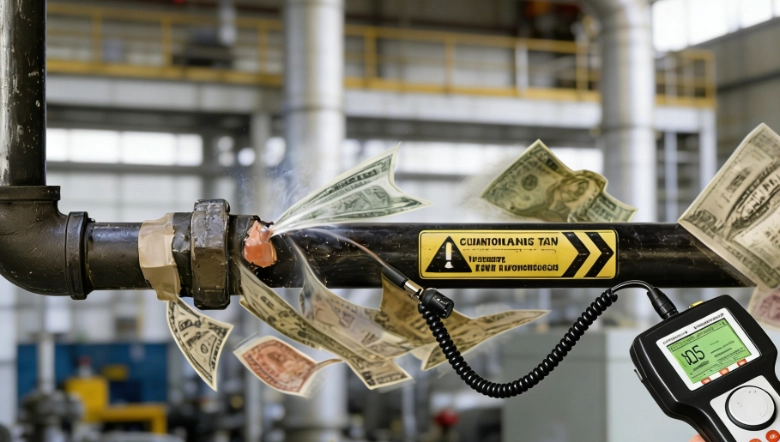
Compressed air is one of the most expensive utilities in a factory—often called the “fourth utility” after electricity, water, and gas. Yet, in most facilities, 20-30% of all generated compressed air is lost through leaks before it ever reaches a tool. This isn’t just wasted air; it’s wasted electricity, increased maintenance, and unnecessary carbon emissions.
A single leak might seem insignificant, but the collective cost is staggering. This guide will equip you with a practical three-step process to find leaks, calculate their true financial impact, and implement effective, lasting repairs.
Step 1: Find the Leaks – Your Practical Detection Toolkit
You can’t fix what you can’t find. Start with a systematic audit. The best time is during a quiet period, like a weekend or shift change, when background noise is minimal.
Method 1: The Ultrasonic Leak Detector (Most Effective)
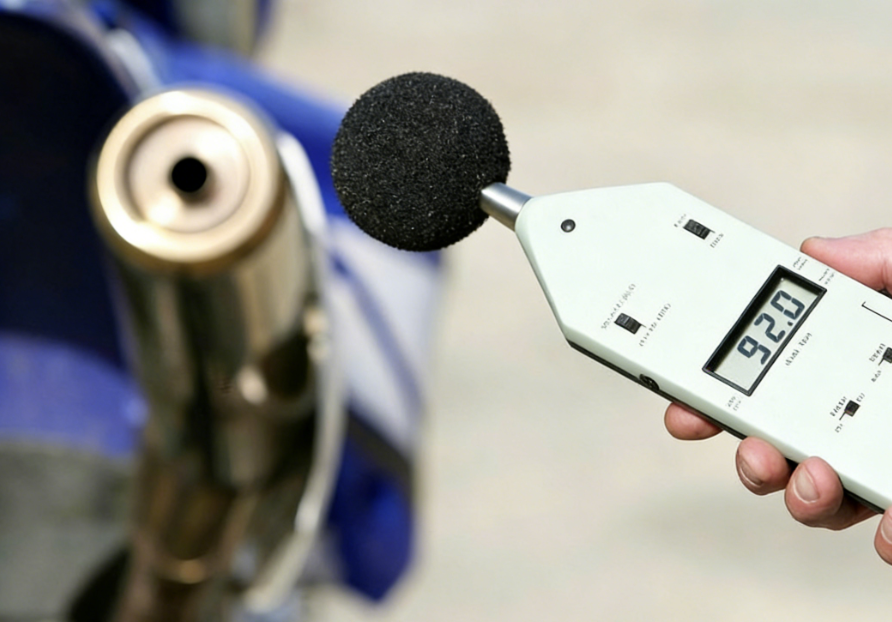
This is the professional tool of choice. It picks up the high-frequency sound (hiss) of air leaks that are inaudible to the human ear.
- How to Use: Wear headphones and slowly scan joints, valves, hoses, fittings, and drains. The detector will produce a clear audio signal as you near a leak.
- Pro Tip: Tag every leak you find with a bright tag or tape for later repair. Create a log with the location.
Method 2: The Soapy Water Solution (Simple & Low-Cost)
For smaller systems or budget-conscious checks, this method still works.
- How to Use: Mix liquid soap with water in a spray bottle. Spray it generously over suspected areas (connections, valve stems, pipe threads, hose barbs). Look for bubbling—this pinpoints the leak.
- Limitation: It can be messy and is less effective for very small leaks or in hard-to-reach areas.
Method 3: Listen and Feel (The Initial Survey)
Use your senses for an initial walkthrough.
- Listen: In a quiet environment, large leaks often make a distinct hissing sound.
- Feel: Run your hand along pipes and hoses. Even a small leak can often be felt as a stream of air.
Common Leak Locations Checklist:
- Pipe joints, flanges, and threaded fittings
- Shut-off valves, pressure regulators, and lubricators (FRL units)
- Hose connections, quick-disconnects, and couplings
- Drain valves on receivers, dryers, and filters
- Old or worn pneumatic tools and cylinders
Step 2: Calculate the Cost – Shocking Numbers
Understanding the cost transforms a “maintenance task” into a “financial priority.” Use this formula to quantify the waste.
The Cost Calculation Formula
Annual Cost of a Leak = (Leak Rate in CFM) × (Operating Hours/Year) × (Energy Cost per kWh) × (0.25)
Where:
- 0.25 is a standard factor representing the average kW of electricity required to produce 1 CFM of compressed air.
- Energy Cost per kWh: Your local electricity rate.
Leak Size Reference & Cost Example
The cost is highly sensitive to leak size and pressure.
| Leak Description | Orifice Size | Estimated CFM Loss @ 100 PSI | Annual Cost* |
| Tiny Pinhole Leak | 1/32″ (0.8mm) | ~1.5 CFM | $450 – $900 |
| Small Gap/Thread Leak | 1/16″ (1.6mm) | ~6.5 CFM | $1,950 – $3,900 |
| Medium Leak (Bad Coupling) | 1/8″ (3.2mm) | ~26 CFM | $7,800 – $15,600 |
| Large Leak (Open Drain) | 1/4″ (6.4mm) | ~104 CFM | $31,200+ |
*Assumes: 8,000 hours/year operation, electricity at $0.10 – $0.20/kWh.
The Takeaway: A few unnoticed medium-sized leaks can easily waste over $20,000 annually on your electricity bill, making a professional leak detection and repair program one of the highest-ROI actions in your plant.
Step 3: Fix the Leaks – Permanent Solutions
Temporary fixes waste more time and money. Implement these proper repairs.
- Tighten Connections: Use proper tools to tighten threaded fittings, flange bolts, and hose clamps. Avoid over-tightening, which can strip threads or crack components.
- Replace Faulty Seals & Gaskets: Worn O-rings, gaskets, and valve stem seals are prime culprits. Keep a kit of common sizes.
- Upgrade Poor-Quality Fittings: Replace cheap plastic or worn brass quick-connects with high-quality, leak-free models.
- Repair or Replace Damaged Hoses: Abraded, cracked, or old hoses should be replaced, not patched with tape.
- Automate Drains: Faulty or manually opened tank drains are massive wasters. Install zero-loss automatic drain valves.
- Use Proper Thread Sealant: For pipe threads, use PTFE tape or liquid thread sealant designed for compressed air, not general-purpose pipe dope.
FAQ: Compressed Air Leak Management
Q1: How often should we perform a leak audit?
A1: A formal, plant-wide audit should be conducted at least twice a year. However, encouraging operators to report leaks and incorporating quick checks into weekly maintenance routines is ideal for continuous control.
Q2: Are leaks worse at higher pressure?
A2: Absolutely. The volume of air (CFM) leaking through a given orifice increases with the supply pressure. Reducing your system pressure to the minimum required level is one of the simplest ways to immediately reduce leakage losses.
Q3: We fixed all the leaks last year. Why do they come back?
A3: Leak repair is not a one-time project; it’s an ongoing program. Vibration, thermal cycles, and normal wear constantly create new leaks. A sustained leak management program is the only way to maintain low loss levels.
Q4: What’s the first sign that our system has a major leak problem?
A4: Your air compressor(s) are running an unusually high percentage of the time or cycling on/off frequently when production demand is low (e.g., nights, weekends). This indicates the compressors are working hard just to feed leaks.
Conclusion: From Silent Waste to Tangible Savings
Compressed air leaks represent a direct drain on your profitability. By implementing a systematic approach to finding, quantifying, and fixing leaks, you convert a hidden operational cost into a clear opportunity for savings.
The financial returns are often immediate and substantial, with payback periods for repair kits and professional audits measured in weeks or months, not years.
Are leaks silently inflating your energy bill? A professional compressed air system audit can provide a complete picture of your leakage rate, pinpoint major losses, and deliver a prioritized repair plan. Contact our energy efficiency specialists to schedule an assessment and start turning your compressed air system into a model of efficiency.
 Email
Email sales:+86 15366749631