That upfront price tag on a used air compressor is undeniably tempting. It seems like the smart, pragmatic way to get your facility up and running without a major capital outlay.
But here’s a hard truth from the industry: the purchase price is often the smallest part of the story. The real expense—the one that can sink your profitability—is hidden in the energy bills, the emergency repair calls, and the production lines sitting silent.
We’ve spent years in the world of compressed air, and we’ve seen the aftermath of both great and terrible used equipment purchases. This guide is your shield. It’s the unbiased, step-by-step manual we’d give to a friend to help them navigate the risks and make a decision they won’t regret.
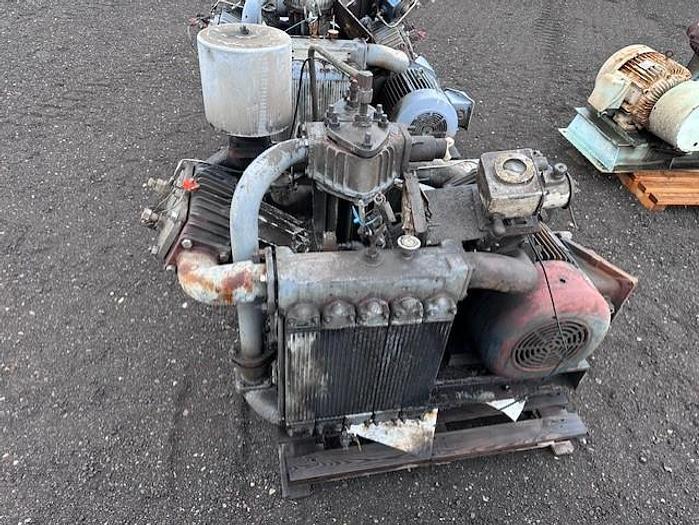
The 3 Hidden Costs That Turn “Good Deals” Into Money Pits
Most used compressor calculations are dangerously incomplete. They ignore these three massive, and often predictable, expenses:
1. The Silent Energy Tax: Your Biggest Hidden Cost
Older fixed-speed compressors are notoriously inefficient at partial loads, spending significant energy “unloaded” while still running. The U.S. Department of Energy states that electricity can constitute over 70% of a compressor’s total lifecycle cost.
You can estimate the potential waste yourself:
- Formula: Annual Waste ≈ Motor Power (kW) × Load Factor × Annual Operating Hours × Electricity Cost ($/kWh) × Efficiency Gap (%)
- Example: An old 75kW fixed-speed unit (70% load, 4,000 hrs/year, $0.10/kWh) that is 25% less efficient than a new VSD model would waste: 75 × 0.7 × 4,000 × 0.10 × 0.25 = $5,250/year.
This “energy tax” alone can often cover the finance payments on a new, hyper-efficient machine.
2. The Ticking Time Bomb: Catastrophic Repair Bills
A used machine is a black box of unknowns. Without a warranty, you are the insurance company.
- Core Component Failure: Replacing a screw rotor assembly or main bearings can cost 30-50% of the price of a new compressor, including labor.
- Cascading Damage: Aging dryers and filters don’t just fail themselves; they allow moisture and contaminants to damage your entire air system and even your end-use tools.
3. The Unseen Profit Killer: Unplanned Downtime
This is the cost that accounting spreadsheets can’t capture. Calculate your “Hourly Downtime Cost.”
- (Lost Labor Cost + Lost Production Margin + Overtime Penalties) = Your Hourly Downtime Cost.
- A multi-day breakdown waiting for parts and a specialist can easily run into tens of thousands of dollars in lost profit and disrupted customer relationships.
The Ultimate 15-Point Pre-Purchase Inspection Checklist
If you’re proceeding, turn skepticism into your superpower. Take this checklist with you.
Part A: The Visual & History Scan (Do This First)
- Hour Meter: Is it under 20,000 hours? Over 30,000 requires a steep discount for imminent major service.
- Overall Condition: Is it relatively clean? Heavy oil coating and dirt indicate leaks and poor maintenance.
- Service Logs: Demand records for oil changes, filter replacements, and separator changes. No logs? No sale.
- Model & Serial Number: Research if OEM parts are still readily available. Obsolete models are repair nightmares.
Part B: The Mechanical & Performance Health Test
- Cold Start-Up: Time the cycle from 0 to full pressure. Note any unusual noises like knocking or grinding.
- Operating Sound: Listen for a smooth, steady hum. Rhythmic “beating” can indicate bearing issues.
- Air Leak Test: Once at pressure, shut a valve. A drop of more than 10-15 PSI over 5 minutes indicates significant system leaks.
- Oil Inspection: Use the drain valve. Metal flakes mean internal wear; milky oil means water contamination (a critical failure).
- Cooler Inspection: Check the fins of the air and oil coolers. Are they clogged with dust? This leads to overheating.
- V-Belt Check (if applicable): Look for cracks and glazing. Old belts break and are a sign of neglected maintenance.
Part C: The Control System & Seller Verification
- Control Panel: Power it on. Check for active alarm codes and review the history log for recurring faults.
- Motor Data: Check the nameplate for voltage and Full Load Amps (FLA). Use a clamp meter during operation. Amps significantly over FLA indicate an overworked motor.
- Ask The Seller: “What is the single biggest problem this machine has had?” Gauge their honesty.
- Ask The Seller: “Can I see the last oil analysis report?” This is the gold standard for assessing internal health.
- Get a Warranty: Even a 90-day warranty from a dealer shows they stand behind their refurbishment.
Frequently Asked Questions
Q1: I found a top-tier brand for a low price. Surely it’s built to last?
A: Brand reputation is earned by well-maintained machines. A neglected flagship model is a far worse investment than a meticulously maintained value brand. The name on the tank is less important than the paperwork in the file.
Q2: The seller says the pump was recently rebuilt. Shouldn’t that reset the clock?
A: A professional rebuild with OEM parts can be excellent. A cheap, unofficial rebuild is a time bomb. The burden of proof is on the seller. Demand the workshop invoice detailing the parts and labor performed.
Q3: I only need it for light, intermittent use. Isn’t used perfect for that?
A: For very light use, the risk is lower. However, a machine that sits idle can develop its own set of problems, like seal dry-rot. A modern, small, and efficient new compressor may offer such a compelling TCO that it’s still the wiser choice.
The Pivot Point: When “New” Becomes the Truly Frugal Choice
After confronting the realities above, the most strategic question shifts from “Can I afford a new one?” to “Can I afford the true cost of a used one?”
For a huge number of the businesses we advise, the long-term financial analysis is a revelation. A new compressor transforms a variable, unpredictable cost center into a stable, predictable operating expense.
A new compressor becomes the clear economic winner when your business:
- Operates over 4,000 hours annually (the energy savings alone justify the investment).
- Relies on compressed air for core processes (downtime is not an option).
- Values operational predictability (and wants to free up management time from fire-fighting).
- Aims to reduce its carbon footprint (modern units are significantly greener).
From Guesswork to Certainty: Your Free Total Cost of Ownership Analysis
We believe in data-driven decisions, not pressured sales pitches.
That’s why we invite you to take advantage of our free, no-obligation Total Cost of Ownership (TCO) Analysis. It’s a customized report, not a generic brochure.
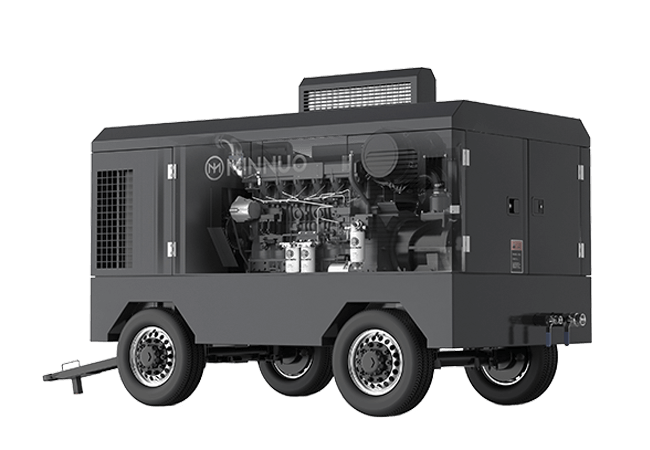
Simply provide a few key details about your operation, and we will generate a side-by-side comparison projecting the 5-year financial outlook of the used compressor you’re considering versus a new, efficient MINNUO model.
You will see a clear breakdown of:
- Energy Consumption Costs
- Risk-Adjusted Maintenance & Repair Projections
- Impact of Downtime on Profitability
- Residual Value and Warranty Coverage
👉[Get Your Free, Custom TCO Analysis Report Now]
Stop gambling with your productivity and profit. Let the data show you the smartest path forward for your business.

 Email
Email sales:+86 15366749631